Sunday, January 2, 2011

Caring for Water Lettuce


Home Page


Freezing Winter Conditions
Caring for pond plants in the wintertime can be a challenge. Plants such as cattail, rush, and water lily need little or no care at all. But floating pond plants such as water lettuce need tending to make it through the wintertime. If you live in an area that receives freezing cold, then it is best to winter over your water lettuce indoors in an aquatic garden light box. This is constructed with an aquarium, lights, and mirrors, and is very easy to put together. The instructions can be found on my blog.

In mild winter conditions (such as zone 9 and up) water lettuce can be kept outdoors. However, when the air temperature goes below 40 degrees Fahrenheit, water lettuce needs to be kept inside a small greenhouse (hoop house) or under a plastic tarp.

Winter Problems
Like most all plants, water lettuce does turn shades of yellow in the wintertime. This is normal. As the leaves spot and turn yellow, simply trim back the old leaves to allow the
growth energy to go into the greener leaves. Trim off any dead tips. If your water lettuce suffers from mildew, uncover the pond and allow the plants to air-out. Also trim off all infected areas. Growth is very slow in winter, but as the weather warms your water lettuce will grow and quickly multiply.


RECEIVE $2 OFF
As a valued garden friend, receive $2 off your next purchase of $10 or more. This offer is good until February 15, 2011.

Garden Blessings, GAiL

Sunday, December 19, 2010

How to Grow Pond Plants in the Shade


Home Page
- Pond Plant Girl Store - Garden Articles - Videos - Easy Projects
.
Pond plants typically grow best in full sun, but what do you do when you have a pond in a shady area?
.
There are many plants you can grow in a shaded pond, but if you are looking for flowering plants your options are limited. There are a few things to consider before chosing your plants...


Shaded Ponds
A good rule for any pond in limited light is choose plants that are cold climate hardy for zones 3-6. Plants that are hardy for colder climates do better in complete shade. You can grow water lily and water iris in the shade, but they may not bloom.
.
.
Plants that grow well in shaded ponds:
.
Cattail, Rush, and Reeds
.
Red Stem Parrot Feather

Water Clover
.
Water Hawthorne (picture above)

.
Partial Sun Ponds
I have a very successful pond located in filter light under an apple tree. The same "complete shade" rule applies for filtered light ponds. Choose plants that are zoned for cold climates 3-6. Depending on how much sun your filtered light pond receives, you might be able to grow blooming pond plants.
.
The plants in my partial light pond grow very tall, because they are stretching up toward the light. This made for some very unusual water hyacinth this year, that looked more like pickerel rush. It is also important to remember to add a professional grade fertilizer, such as Highland Rim; which promotes healthy growth and flowers too. I have used several different kinds of fertilizer and found this is the absolute best to use.

Plants in My Partial-Sun Pond:

Water Lotus - Water Poppy
- Water Hyacinth
.
Primrose Creeper - Water Mint - Pennywort

Fairy Moss - Pickerel Rush


Red Stem Parrot Feather (left)

..
Morning Light Ponds
Pond that only receive morning light will probably not produce flowers. Most pond plants require 4-6 hours of sunshine per day in order to produce flowers. If you want to grow water lily, a good choice would be the night blooming tropical water lily. You can grow water hyacinth and water lettuce in morning light ponds in the summer season.

Morning Light Pond Plants

Frogbit (picture above)

Red Stem Parrot Feather

Grasses, Rush, and Reeds

Pennywort

Water Mint

Fairy Moss

.More Partial Sund Pond Plants: For a complete list of partial sun plants with pictures available see: Cold Climate Plants zones 3-6. Some plants are available all season long (such as pennywort and water lettuce). Others are available starting every February and March.

Contact Me for more information at: gail@pondplantgirl.com

Your comments below are always welcome!


Saturday, December 11, 2010

How to Start Parrot Feather Indoors

.
Parrot Feather is a wonderful fern-like pond plant that resembles a parrot's feather. It grows long stems that can reach 2-3 feet long. This is a cold climate pond plant, growing zone 6. Parrot feather can be planted in a shallow bog in-soil or can free float. After establishing, it will resemble a tiny forest in your pond. It is a perfect container pond plant and looks lovely in bathtub ponds too.
.
.
.
..
Starting Indoors

What You Need

1. An aquarium with fresh water.
A pump and filter is not needed.

2. Goldfish, Guppies, or Minnows.
Do not add any fertilizer or other chemicals. The fish will act as natural fertilizer for the plants!

3. A sunny window

4. A florescent light or Aquarium Light
.

Parrot Feather is simple to start and propagate indoors. This aquarium is actually filled with baby water lotus, floating frogbit, and parrot feather too.

Other plants you can start this way are primrose creeper and frogbit!


.
..
. . .
.
1. Place aquarium in a sunny window. Fill with fresh water and at least 2 fish. Do not add too many fish as they will compete for food and may eat your plants!

2. Peal the leaves off the parrot feather. This will promote new growth and roots. But, do not peal back the parrot palm on the top.
.
.
3. Break the parrot feather stems into 4" sections. Allow the stems to float. The palm-top stem will grow new roots, and the other stems will grow new roots too.

4. Hang a florescent light directly over the aquarium close to the plants. Light each day for at least 4-8 hours per day.


.....After 1 Week: You should begin to see new roots appear.

.....After 10 Days: You should see new growth appear!


A Great Head-Start on Spring
While everyone else is scrambling for a beautiful pond in the springtime, yours will be all ready to go! Other plants you can propagate indoors are: water lotus, frogbit, water lettuce, and water hyacinth too.

Find out more about wintering over ponds and pond plants at: http://www.pondplantgirl.com/
.

Monday, December 6, 2010

How to Move Pond Fish


What a great topic! This was inspired by my Facebook friend, Anja.

Moving to a new home is always a huge chore and is especially challenging when you own large fish. This is how I moved my koi from Northern California to Southern California... about a 7 hour trip:


.What You Need

1. A 30 gallon clean rubbermaid tub with lid

2. Stress Coat

3. Water

4. An aquarium bubbler with air hose (aquarium pump)

5. A 50 watt or 100 watt power inverter

6. A large fishing net and extra help!


1. Placed the fish in a clean 30 gallon Rubbermaid tub filled with water. A clean ice chest will also work. Make sure no chemcials were used to store in the container or used to clean the container.

2. Add stress coat drops. This can be purchased from any pet or fish store.

3. Set up an aquarium bubbler with an air hose to add oxygen to th
e water. Make sure the air hose is secure and the hose remains submerged in the water. Check the line every few hours to make sure the air hose does not slip out of the water.

4. Cover container with the fitted Rubbermaid lid.

5. Plug a power inverter into the car cigarette lighter and plug in the electric bubbler. I purchased my converter from Radio Shack.

6. When you drive, be careful of bumps and turns... drive carefully and your fish should do just fine!


Just a Note: Koi are very strong creatures. If you are moving large koi you will need a large fishing net and at least 2 people to move the fish. They will struggle and fight as you transfer them over to the container and then back again to their new home. Between me and my husband, it was a BIG task trying to move Champlain the Koi.
.
.
Find more cool pond articles and how-to tips on my website: http://www.pondplantgirl.com/

Wednesday, December 1, 2010

Brian's Tahoe Greenhouse


This is my friend, Brian, in South Lake Tahoe, Northern California. Tahoe is located at 6,200 feet in the Sierra Nevada Mountains, Zone 6-7. Temperatures in the summertime can get down to 32 degrees! And, it is known to snow in Tahoe any month of the year. But this doesn't stop Brian. His tomato plants now grow strong inside his greenhouse. The inside is heated with Christmas tree lights. The frame is constructed with branches from local area trees. The siding is 6 mil thick clear visqueen plastic; which is stiff plastic sheeting used to insulate windows. One side of his greenhouse is on hinges that open like a door. This is certainly an attractive greenhouse, Brian!


Growing in Subfreezing Temperatures:


You can grow a water garden even if your climate zone experiences subfreezing winter temperatures; such as 10°-20° Fahrenheit, zones 3-7. The growing season can be short and in some areas is only 2-3 months out of each year. Shopping for plants can be frustrating. "Will these plants grow in my area?" is often asked. The answer is as simple as looking up your growing zone number. Zones 4-8 typically receive snow and long freezing winters. Zones 9-10 are mild and rarely receive severe cold weather. Make sure you purchase the right plants for your local area. Check your zone number and then check the growing zone listed on the plant you wish to purchase. ((read more))


Monday, November 22, 2010

How to Protect Your Winter Garden


What is a Grow Zone? And which plants should I cover up?

The U.S. Department of Agriculture set the U.S. Growing Zones. It is a weather measurement that tells your average area winter low. If your grow zone is a low number (such as 5-7), then you live in an area that receives severe cold, ice, and snow during the wintertime. If your grow zone is a high number (such as 9 and up), then you live in an area that receives minimal freezing temperatures.

Nearly all areas in the United States receive some freezing temperatures. And, there are simple steps you can take to protect your garden plants. It can be as simple as throwing a sheet or plastic tarp over plants or building a simple and affordable
Hoop House.


Which Plants Should I Cover?
Know your plant zone. It is important to know how much cold your plants can tolerate. Look for the plant hardy zone listed when purchasing at the nursery or online. As a general rule, plants with small leaves (such as grasses and rush) are cold tolerant plants. Plants with large flat leaves are tropical or warm climate plants (such as banana plants and water lily). However, many varieties of water lily have large broad leaves and are hardy down to zone 4. Check your plant hardy zone to see if it matches your area climate zone. Remember, many cold climate plants will grow in warm climate areas, but warm climate plants will not survive outdoors in cold climate areas. When in doubt, cover it all!


What kind of plastic should I use?
Zones 9 and Hotter: If you live in mild climate zone 9 and up, your average winter cold temperature is about 30 F. 2 mil. thick plastic sheeting will work for you. It is just enough to keep the frost and freeze off of your plants. Zone 8 and Colder: If you live in zone cold climate zone 8 down to zone 4, then your average winter cold temperature is is 10 F down to -30 F. Special care is needed for your plants in these climate zones. Some plants may need to be wintered over indoors. Other plants will survive outdoors. 6 mil thick plastic sheeting for climates with subfreezing temperatures. In severe cold, insulating between 2 layers of plastic with 1" size bubble wrap is necessary. Building a small structure over your plants is better than simply draping the plastic sheeting over your plants. Articles 'Gardening in Alaska' and 'Gardening in Nebraska' will give you some helpful and affordable ideas about how you can keep your plants year-round.


Protecting Your Banana Plant
How do I protect my banana plant from winter cold?
Cold Climates: If you live in areas that receive winter snow, cut your banana plant down to a stump and cover with mulch and plastic. The roots can also be kept warm by stringing regular LED Christmas tree lights on the ground and under the tarp. For example: I know several grower who grow banana plants successfully in Columbus, Ohio Zone 6. If banana plants can grow in Ohio, then they should also grow in ski resort town South Lake Tahoe, California which is also Zone 6.
.
A key to keeping your outdoor plants alive is:
.
DO NOT ALLOW THE GROUND TO FREEZE SOLID


Red Banana
This is my potted red banana plant. Because I am in zone 9, all that is needed for plant care is to trim back the dead and damaged leaves and cover with 2 mil. thick clear plastic sheeting.


Trimming the Leaves:
When your banana plant leaves begin to turn brown, trim off the old leaves. Allow a few leaves to remain. If you end up having to trim your banana plant all the way down, it will grow back again in the springtime.


Don't Forget the Aloe Plant

Aloe Plant:
Last year I forgot to cover my aloe, and all of the tips fried in the cold freezing night. If I covered it with a bed sheet or plastic, the aloe would have been safe.


.
Frost bitten aloe...
Will recover, but will never look the same again. The brown dead tips have been trimmed off, but one year later the damage is still evident.


.
Water Canna
Water Canna is very hardy. Similar to banana plant care, this canna plant is ready to be trimmed back to a stump and then covered with mulch.

Sunday, October 3, 2010

Build a Closet Door Pond


If I can do this so can you! You can build an above ground pond out of all sorts of things. This above ground container pond was made out of old closet doors.
.
.
I had an old storage closet that I turned into a pond.


.
.
.
.


The project turned out pretty nice, but then I thought...
What do I do with the doors?

.


All I needed was a power drill and some screws.
.
.


8 Corner braces.

.

.
4 Straight braces for extra support.

.


And a utility knife. The utility knife was used to score the doors so the screws would easily screw into the plastic.
.

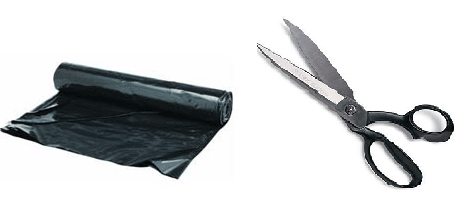
4 mil. or 6 mil. thick black plastic tarp and a pair of scissors.
.


I also used a marker pen to mark where I needed to drill. The corner braces were not exactly square or a perfect right angle and neither were the doors. But that was ok, because this was just a frame. Small imperfections would not be visible when it was all put together.
.


Here is how the frame looked when it was all put together. The frame is 5' 4" long by 2' 8" wide.

.


Here is the end result! It was very easy to make.
The plastic is simply draped inside the pond and over the edge. I could have trimmed off the extra tarp material on the ground, but chose to leave it instead. Then I took extra potted plants and placed them next to the pond on top of the tarp. I only purchased a few pond plants. Others were extra that grew during the season or plants I picked up for free from the city plant swap. My next step is to add fish and a fountain! I would like to see pics of your pond projects too. Happy Ponding!


GAiL

gail@pondplantgirl.com